As the temperatures drop during the winter months, many car owners may notice that their engine takes longer to start. This can be a frustrating and concerning issue, especially during cold mornings when you’re in a rush to get to work or run errands. In this article, we will explore the reasons behind why engines take longer to start in freezing temperatures and provide some tips on how to address this common problem.
Causes of Difficulty Starting Your Engine in Cold Weather
Tips to Improve Cold Weather Starting
When to Seek Professional Help
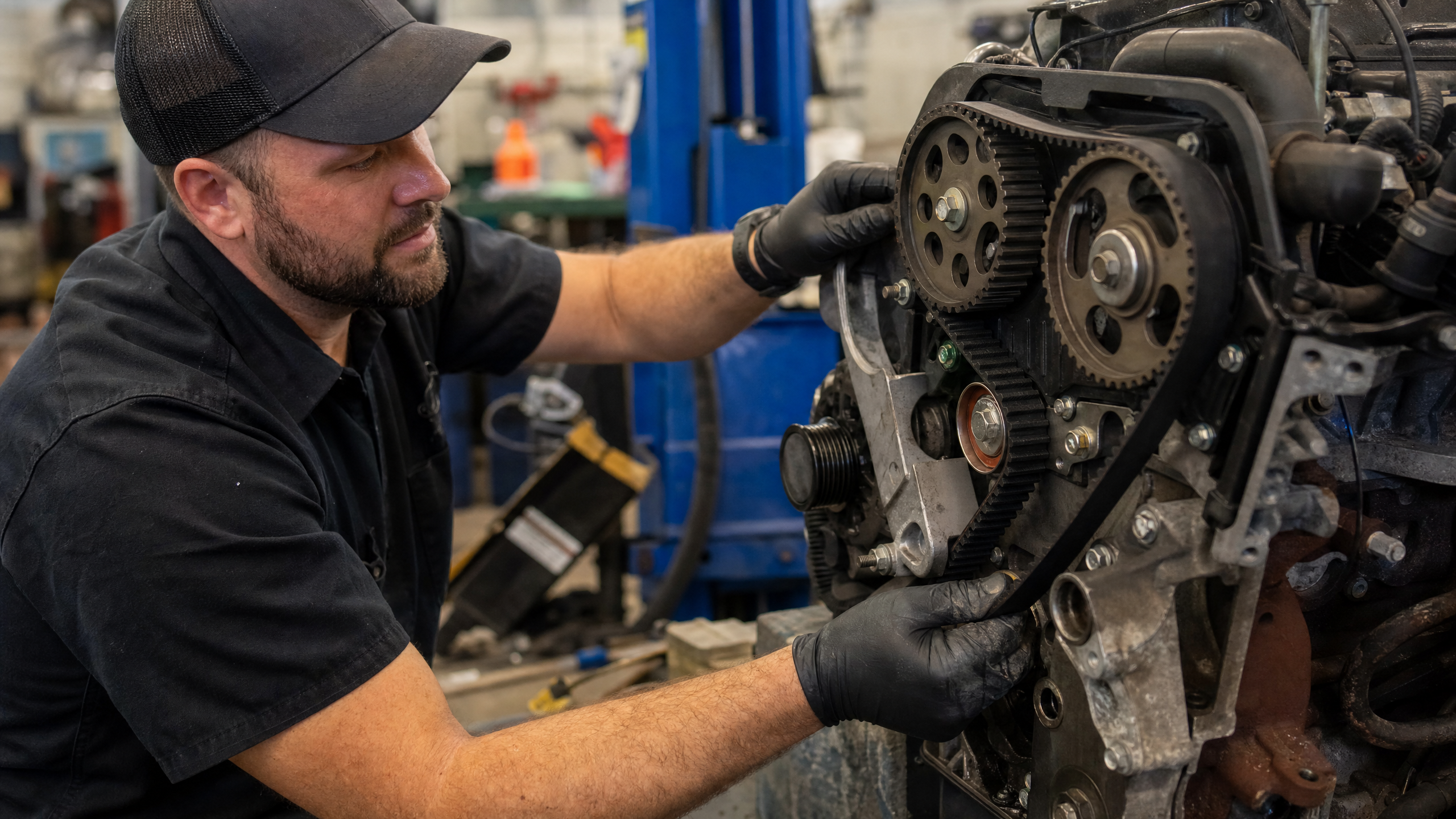
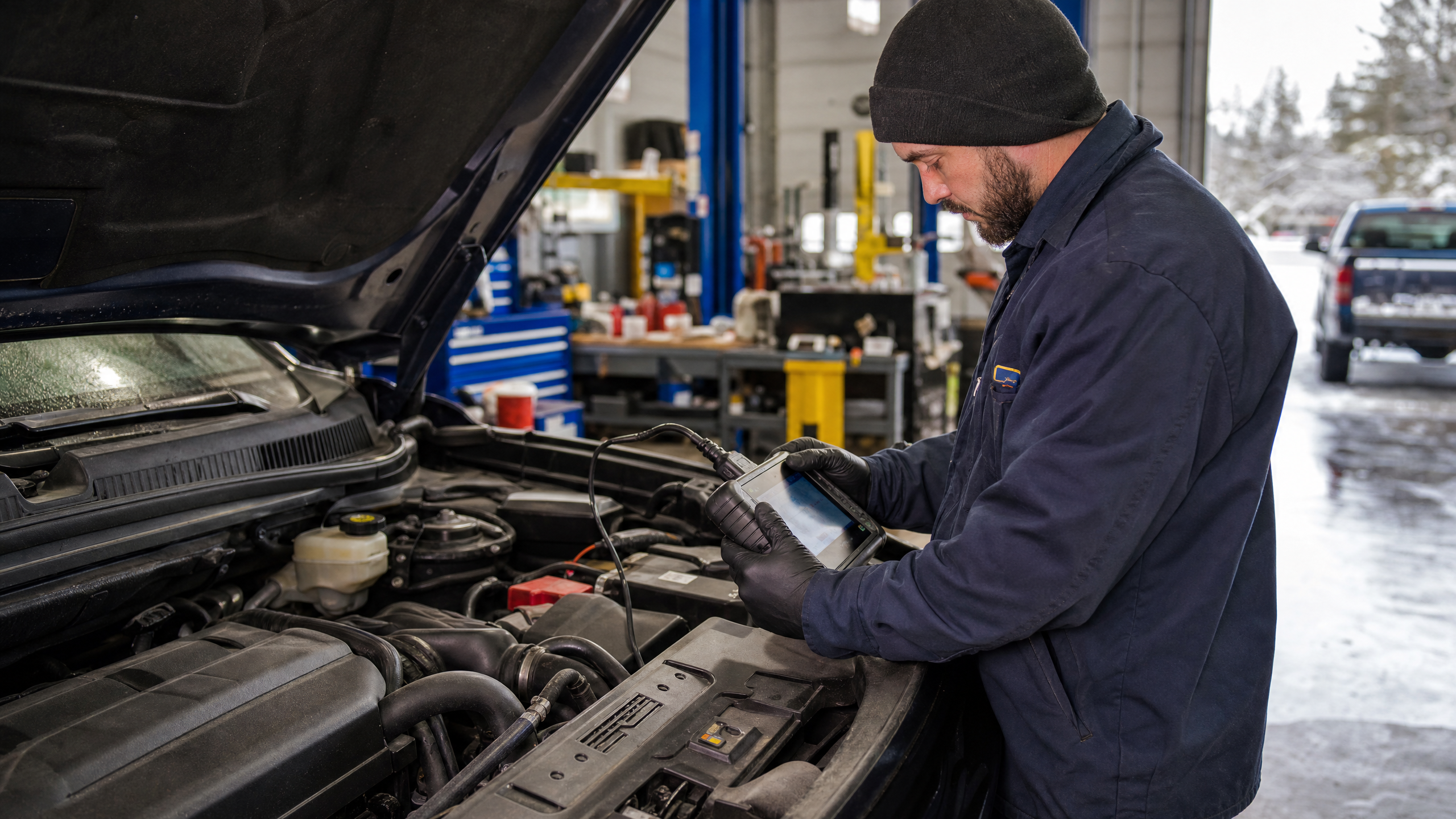
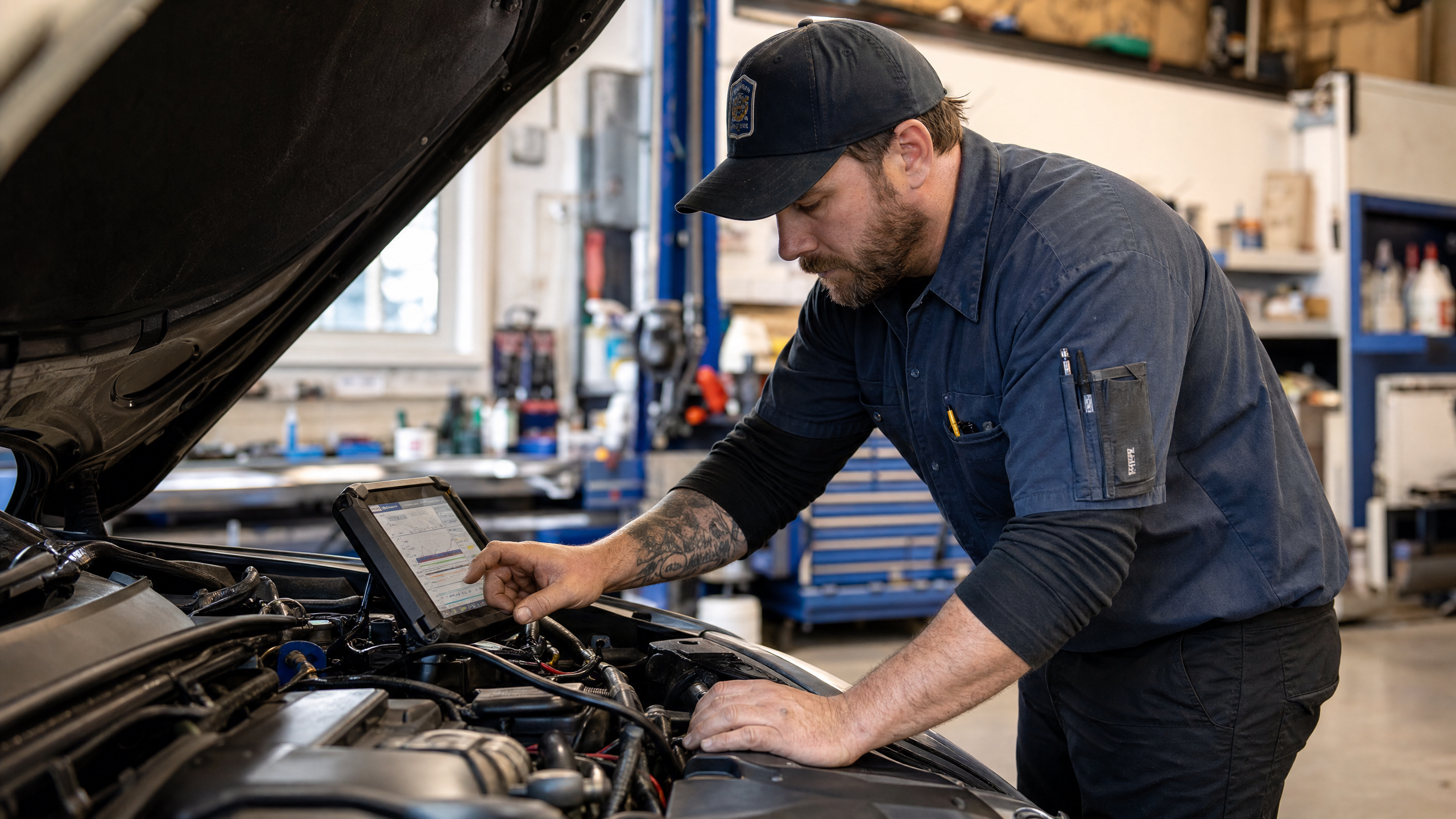
If you’ve tried the tips mentioned above and are still experiencing difficulty starting your engine in freezing temperatures, it may be time to consult a professional mechanic. They can perform diagnostic tests to identify any underlying issues, such as a failing starter motor or fuel system problems, and recommend the necessary repairs.
By addressing the root causes of why your engine takes longer to start in freezing temperatures, you can ensure reliable performance and peace of mind during the cold winter months.
Final Thoughts
Taking proactive steps to maintain your vehicle and address starting issues in cold weather can help you avoid the frustration and inconvenience of a slow-starting engine. Whether it’s using a block heater, checking the battery, or having the ignition system inspected, these simple tips can make a big difference in ensuring your car starts smoothly, even on the coldest of days. If problems persist, don’t hesitate to seek professional help to keep your engine running smoothly in all weather conditions.
Need Help With Your Vehicle?
Our ASE-certified technicians are here to help. Schedule your appointment today.
Reserve Your Spot