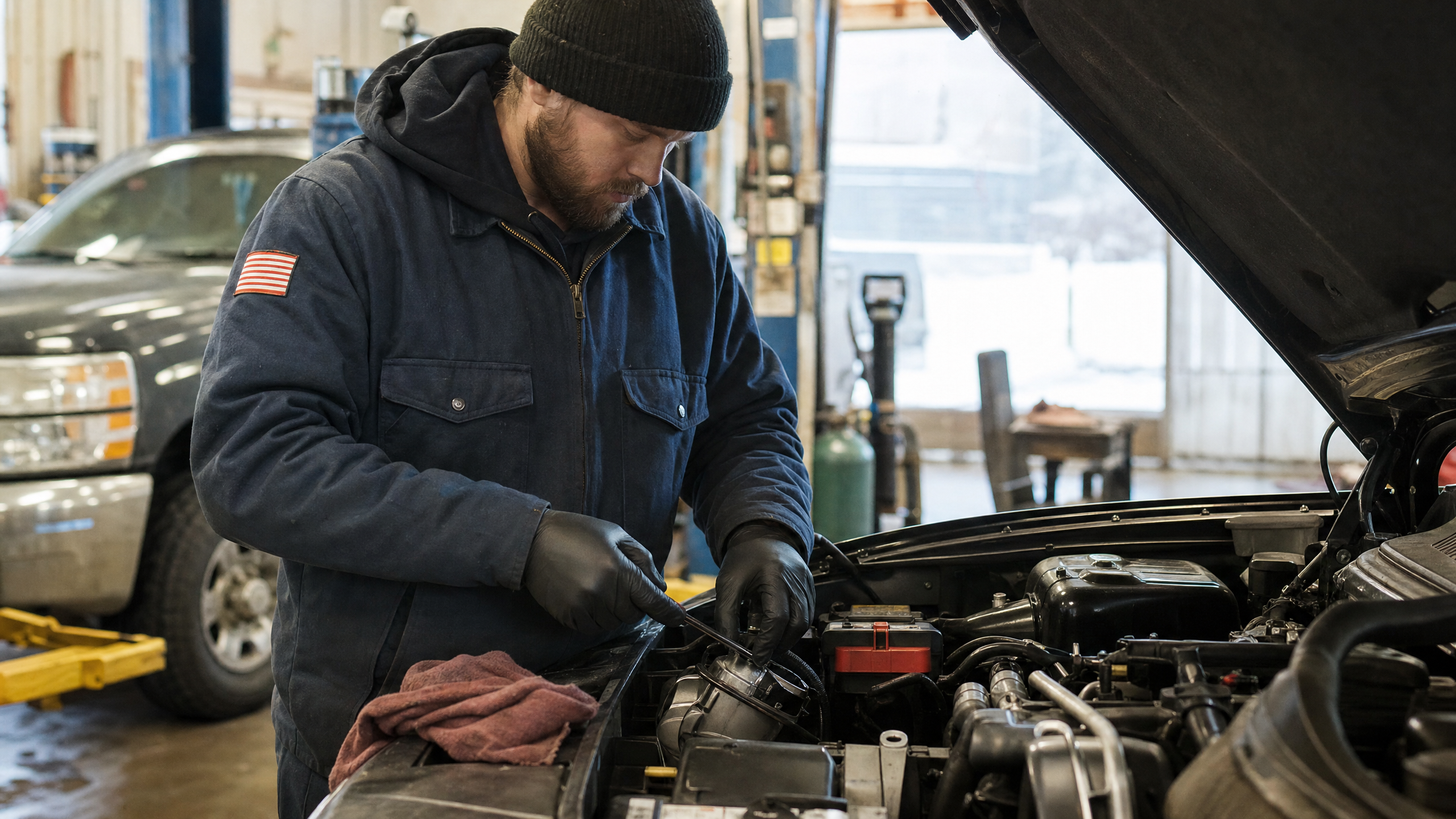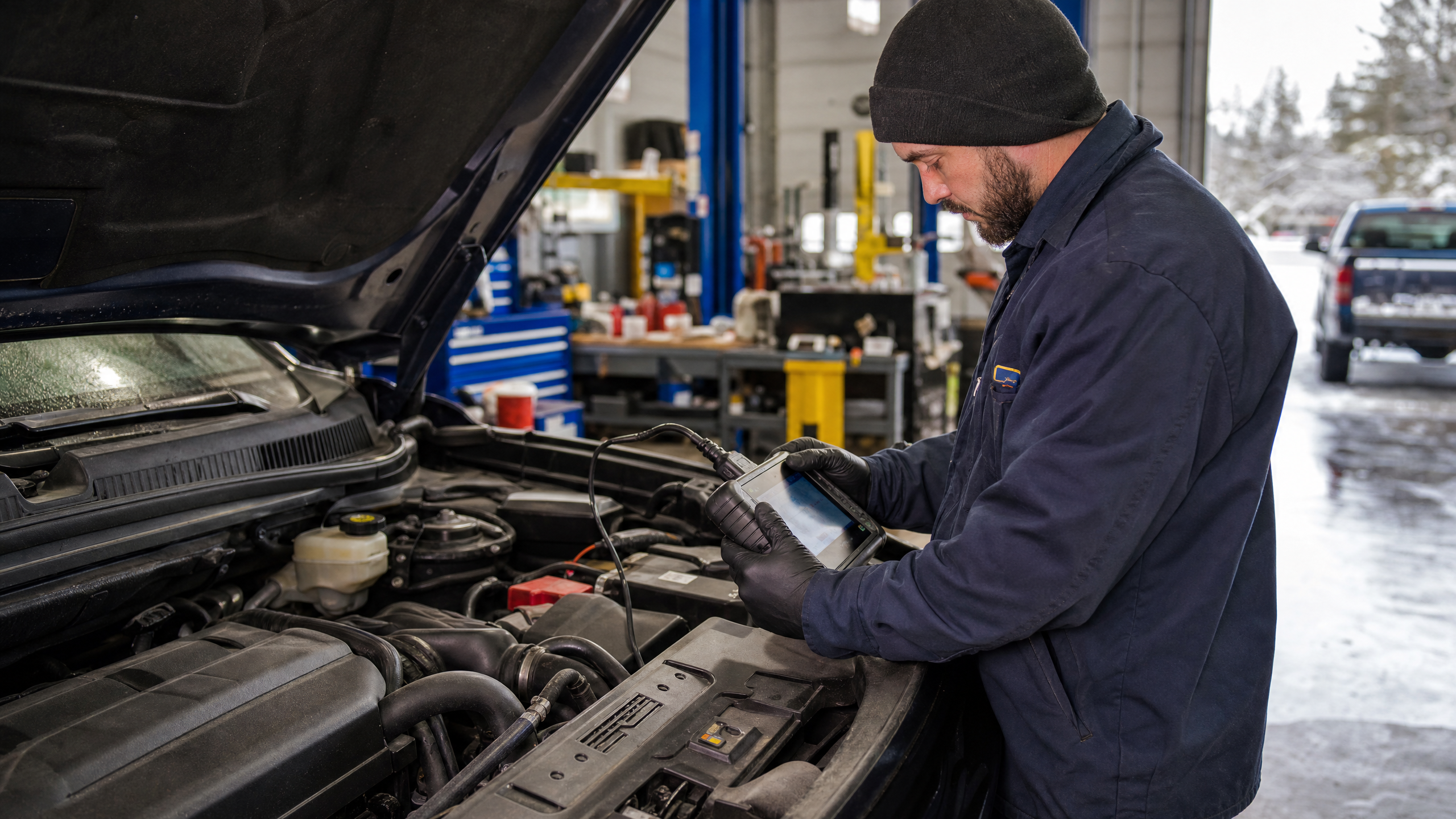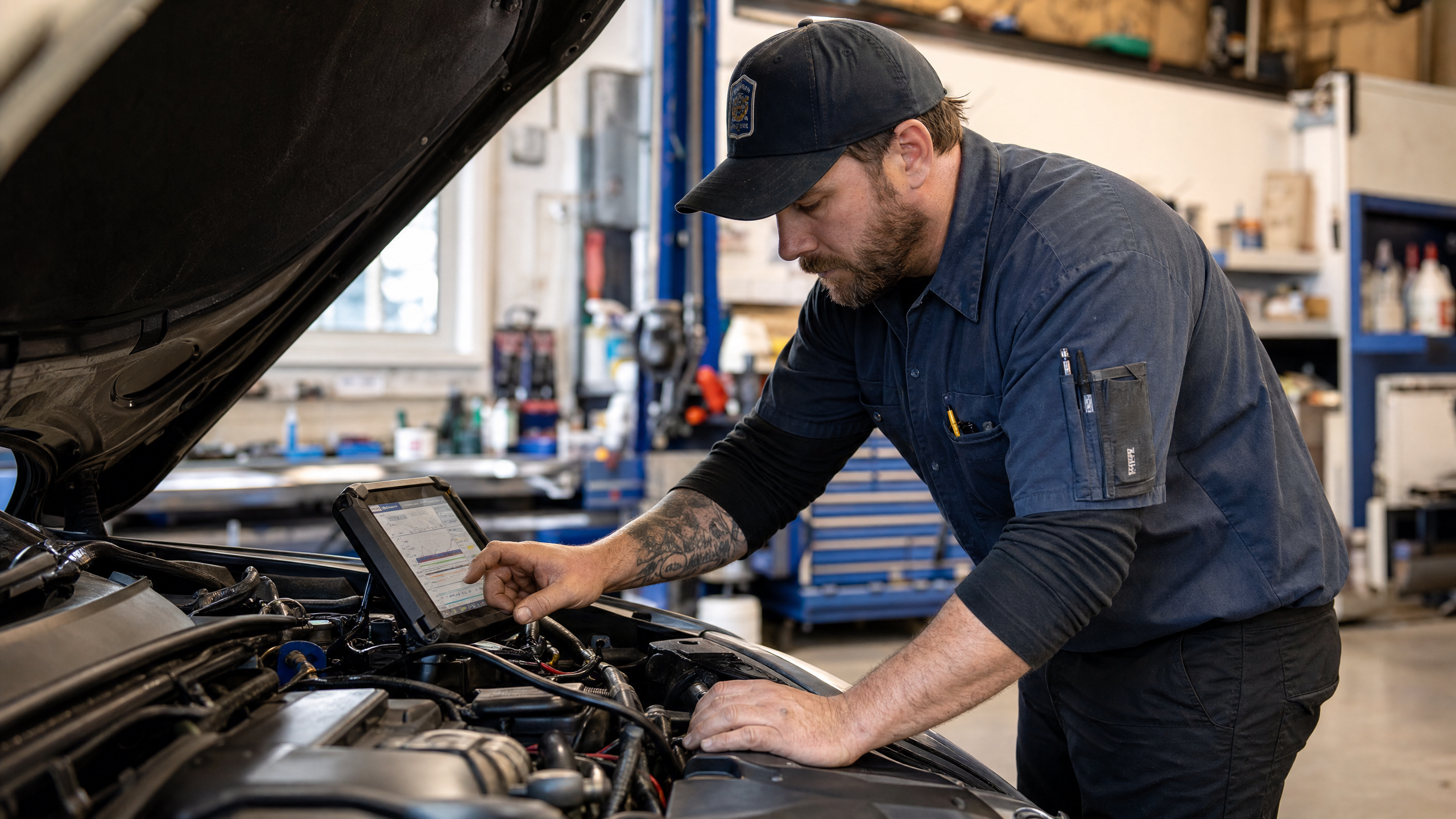
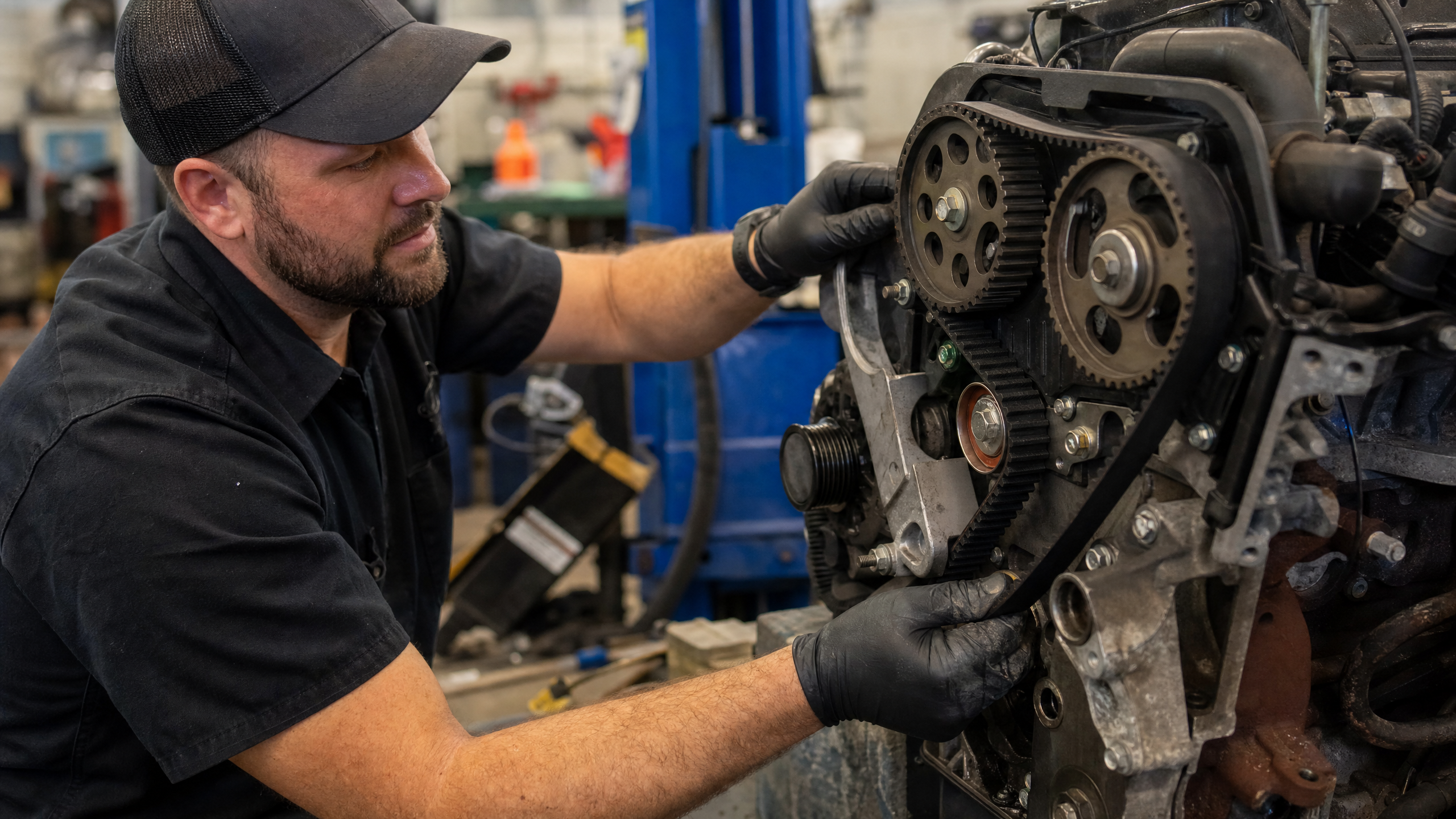
As winter rolls in, many vehicle owners focus on preparing their cars for the cold, but one crucial component often gets overlooked: the timing belt. Your timing belt is responsible for ensuring the engine’s valves open and close at the proper time, keeping the engine running smoothly. If your timing belt fails during winter, it can cause serious engine damage that could lead to expensive repairs or even the need for a complete engine replacement. Knowing how to spot early signs of timing belt failure can save you from costly repairs and prevent you from getting stranded in the cold. Here’s what to look out for and why it’s especially important during winter.
1.Understanding the Role of the Timing Belt
The timing belt is a critical part of your vehicle’s engine. It synchronizes the rotation of the crankshaft and camshaft to ensure the valves open and close in perfect timing with the pistons. If the timing belt snaps or becomes worn out, the engine’s internal components can collide, causing severe damage to the engine. This is why keeping the timing belt in good condition is essential to maintaining engine performance.
2.Signs of Timing Belt Wear or Damage
A worn or failing timing belt can lead to serious engine issues. Here are some key warning signs that the timing belt may be on the verge of failure, particularly during the colder months:
3.Timing Belt and Cold Weather
Winter can put a strain on many parts of your car, and the timing belt is no exception. Cold weather can make rubber components, including the timing belt, more brittle and less flexible. This can accelerate wear and tear, increasing the likelihood of cracks or complete failure.
4.Timing Belt Maintenance and Replacement
A timing belt typically needs to be replaced every 60,000 to 100,000 miles, depending on the make and model of your car. In addition to checking the belt itself, it’s important to inspect other related components like the water pump, pulleys, and tensioners, as these can wear out along with the timing belt.
5.What Happens if the Timing Belt Breaks in Winter?
If your timing belt snaps, especially during the winter months, it can cause immediate and catastrophic damage to your engine. The timing belt controls the timing of the engine’s valves and pistons, so when it breaks, the pistons can crash into the valves, bending or breaking them. This can lead to costly repairs and even a full engine replacement, which is significantly more expensive than simply replacing the belt at the recommended interval.
6.Why You Shouldn’t Ignore Timing Belt Problems
It’s easy to ignore small engine issues when everything seems to be running fine, but timing belt problems can escalate quickly. In winter, the cold temperatures can worsen any existing issues with the b
Need Help With Your Vehicle?
Our ASE-certified technicians are here to help. Schedule your appointment today.
Reserve Your Spot