Winter can be tough on vehicles, especially when it comes to how they perform as temperatures begin to rise. If your car is stalling intermittently, several cold-weather culprits could be to blame — from a dirty throttle body to a failing fuel system.
Common Causes of Intermittent Stalling After Winter
Dirty Throttle Body
During winter, carbon deposits can build up on the throttle body, restricting airflow to the engine. When temperatures warm up and driving patterns change, these deposits can cause the engine to stall unexpectedly, particularly at idle or low speeds.
Fuel System Issues
Cold weather can cause condensation to form in the fuel tank, leading to water contamination in the fuel system. This moisture can freeze and thaw repeatedly, potentially damaging fuel injectors or the fuel pump. As spring arrives, these weakened components may begin to fail.
Failing Idle Air Control Valve
The idle air control (IAC) valve regulates engine idle speed. Winter driving conditions and temperature fluctuations can accelerate wear on this component, leading to erratic idle behavior and stalling.
Weak Battery or Alternator
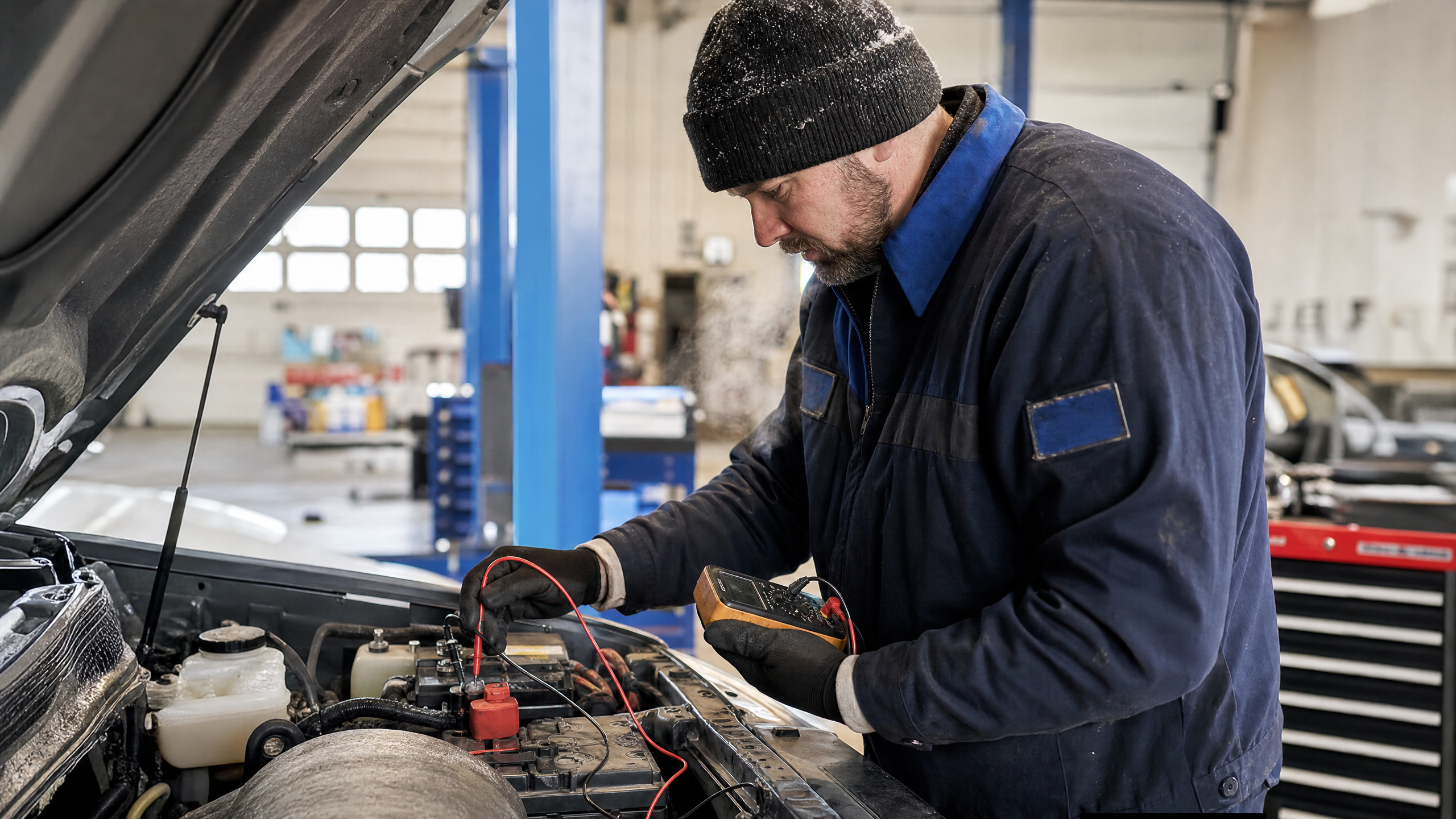
Cold weather is notoriously hard on batteries. A battery that barely survived winter may not provide consistent voltage, causing electronic systems to malfunction and the engine to stall.
What You Should Do
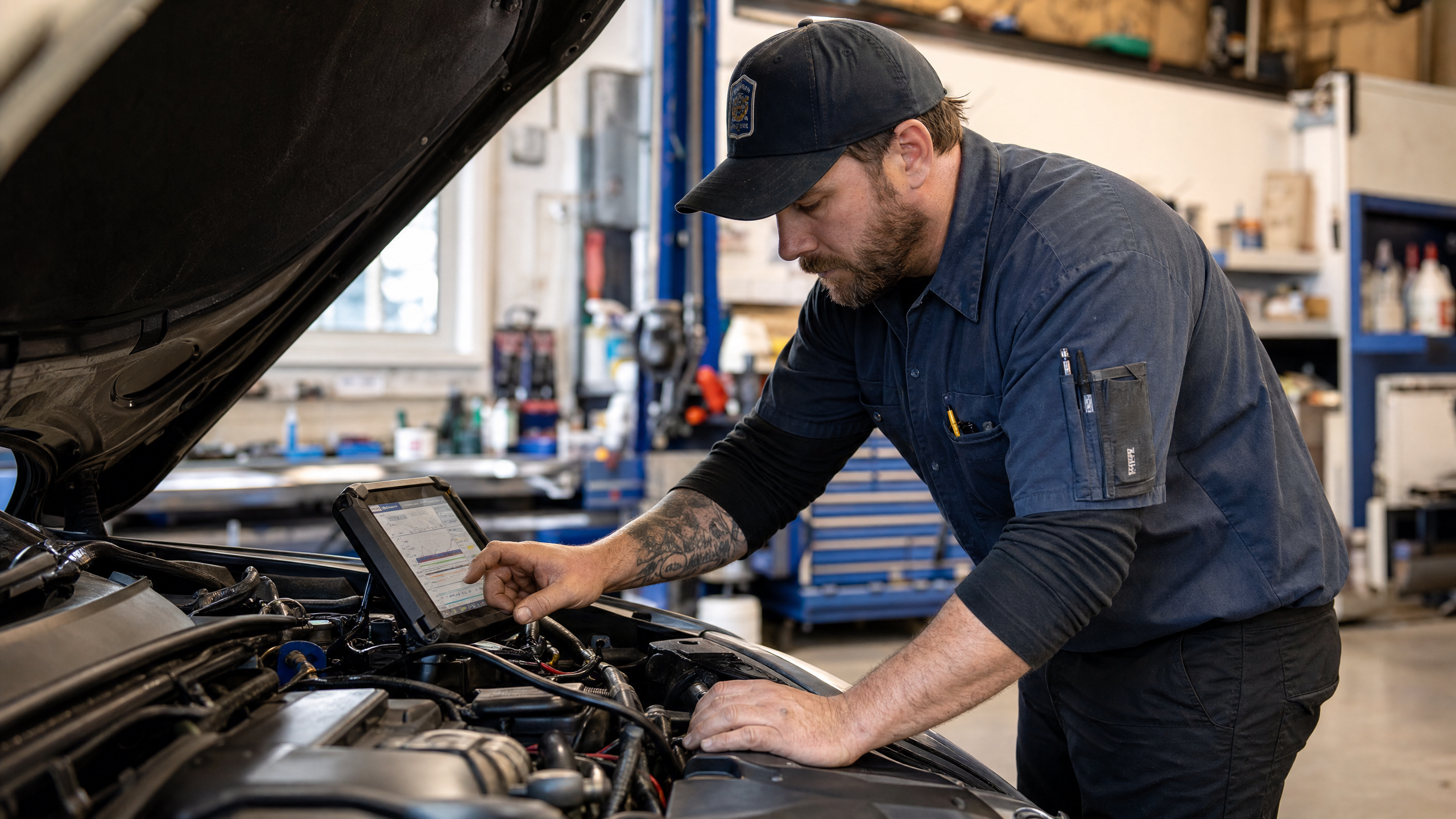
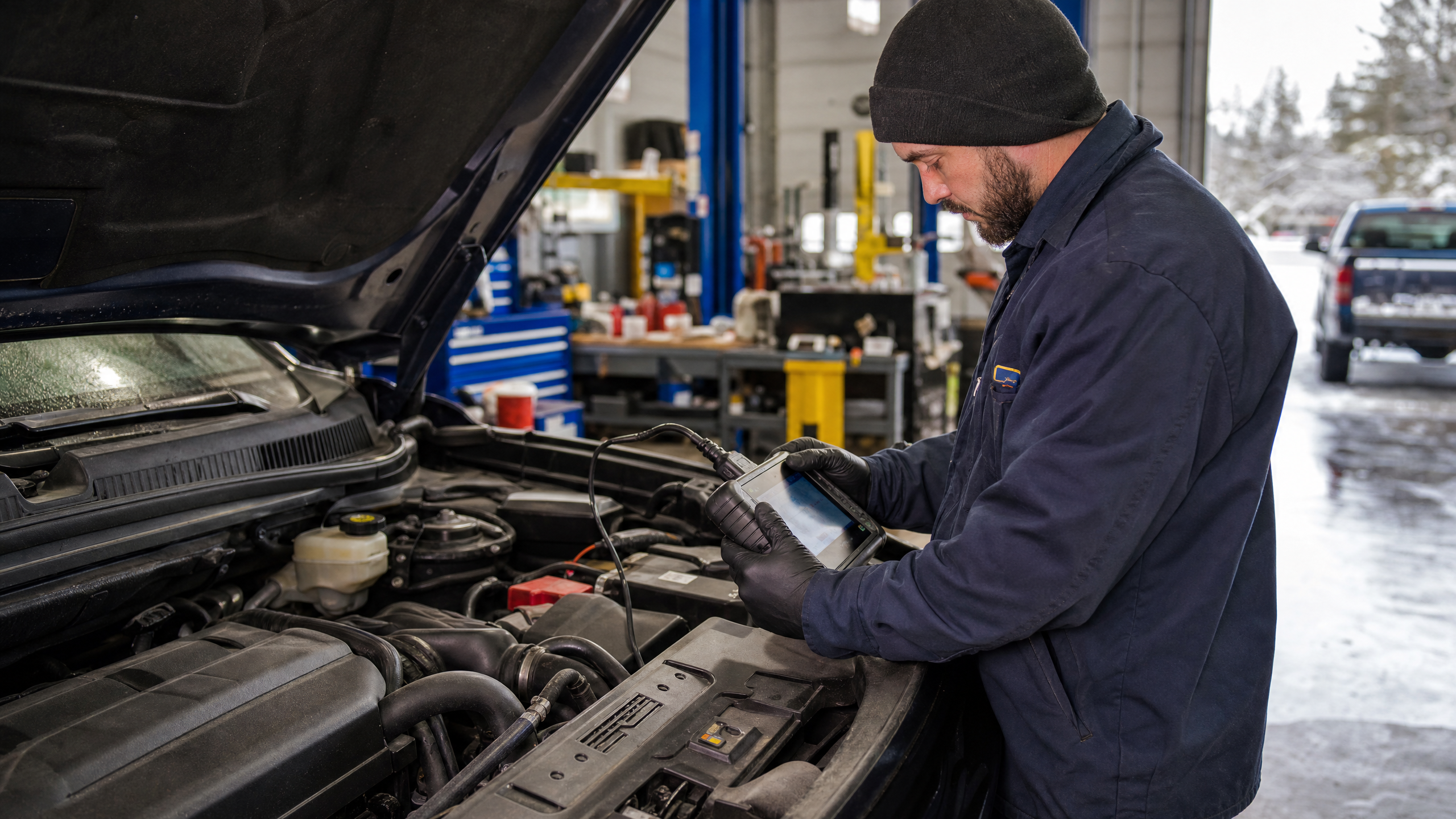
If your car is stalling intermittently after winter, don't ignore it. Bring it to a trusted mechanic for a comprehensive diagnostic inspection. At Certified Auto Service, our ASE-certified technicians use advanced diagnostic equipment to pinpoint the exact cause of stalling issues.
Prevention Tips
Regular maintenance is the best way to prevent post-winter stalling issues. Our Certified Care Plan includes seasonal inspections designed to catch these problems before they leave you stranded.
Need Help With Your Vehicle?
Our ASE-certified technicians are here to help. Schedule your appointment today.
Reserve Your Spot