As the winter months roll around, many car owners are faced with the frustrating issue of their car battery dying more frequently. Understanding why this happens — and what to do about it — can save you from being stranded.
How Cold Weather Affects Your Battery
Chemical Reaction Slowdown
Car batteries work through a chemical reaction between lead plates and sulfuric acid. Cold temperatures slow this reaction significantly. At 32°F, a battery loses about 35% of its strength. At 0°F, it loses up to 60%.
Increased Electrical Demand
Winter driving demands more from your battery. Headlights stay on longer, heaters run constantly, heated seats and defrosters all draw power. This increased demand, combined with reduced chemical efficiency, creates a perfect storm for battery failure.
Thicker Engine Oil
Cold temperatures cause engine oil to thicken, making the engine harder to turn over. This means the starter motor needs more power from the battery, further straining an already weakened unit.
Why Batteries Fail After Winter
Cumulative Damage
Even if your battery survived winter, the repeated stress of cold starts and heavy electrical loads causes cumulative damage to the internal plates. This damage often manifests as failure in early spring when you think the worst is over.
Sulfation Build-Up
When a battery is repeatedly discharged in cold weather without being fully recharged (common with short winter trips), lead sulfate crystals form on the plates. This sulfation permanently reduces battery capacity.
Warning Signs Your Battery Is Failing
What You Can Do
Get a Battery Test
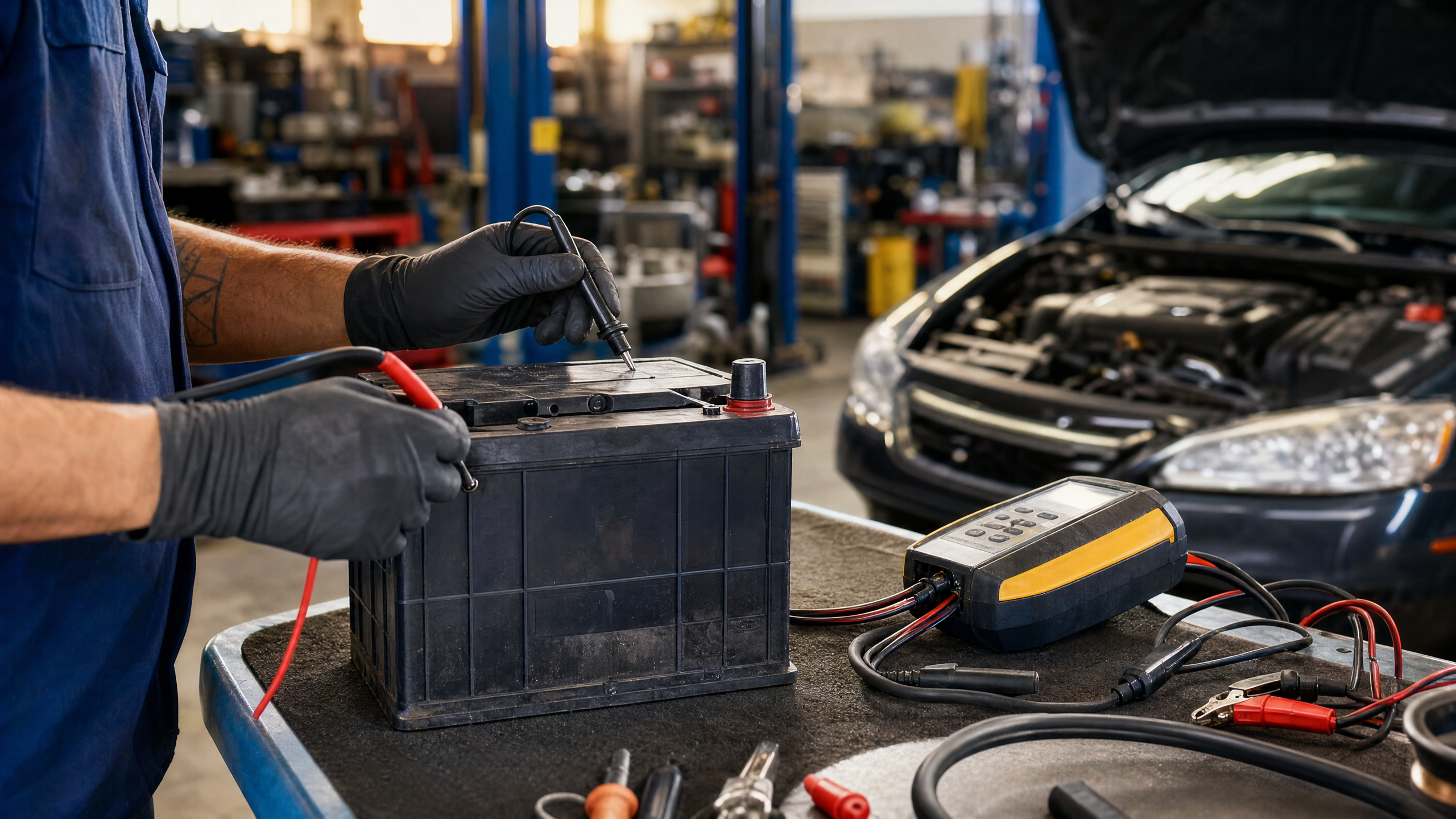
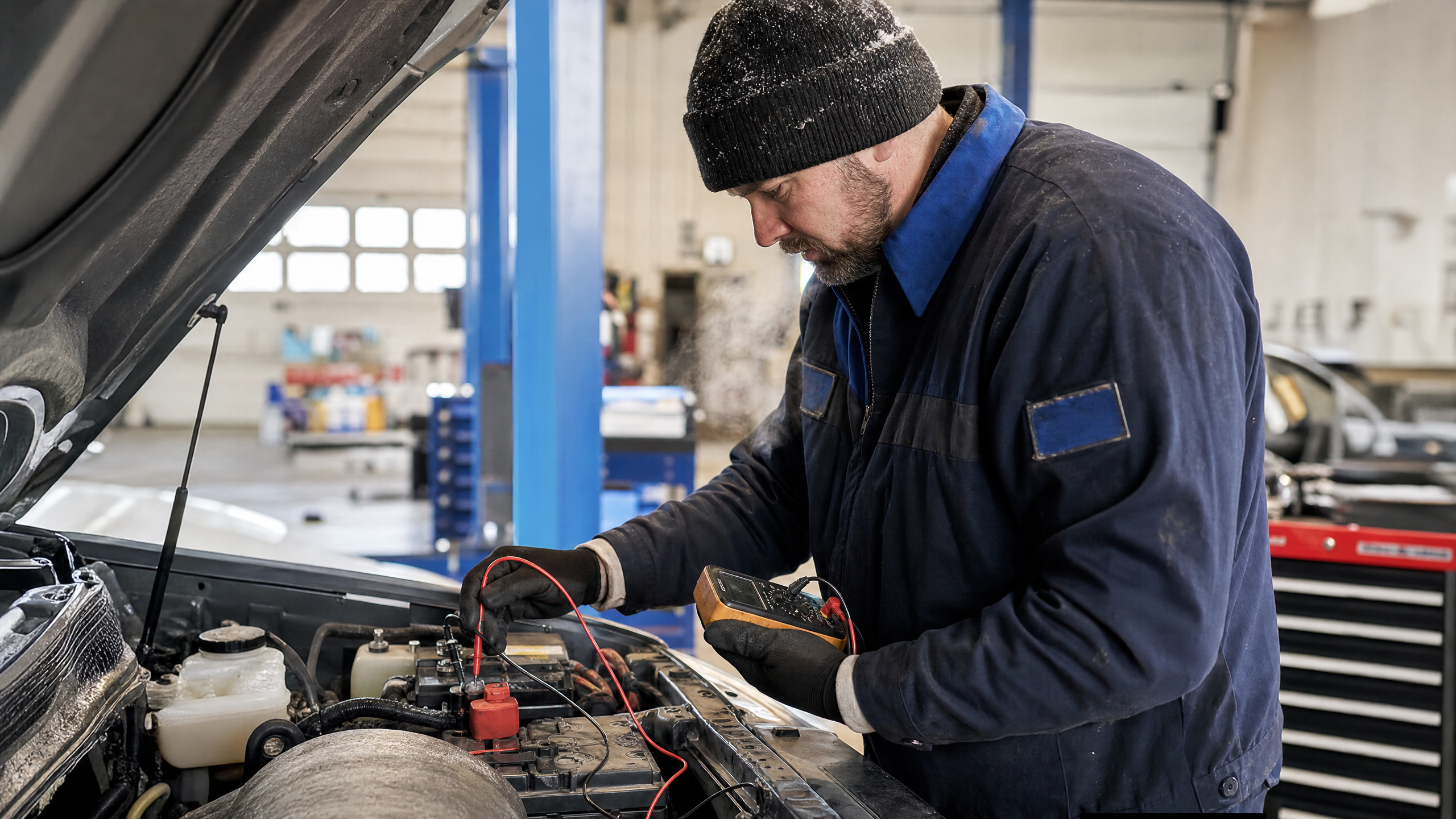
A professional battery load test can tell you exactly how much life your battery has left. At Certified Auto Service, we offer free battery testing as part of our commitment to keeping you safe on the road.
Consider a Replacement
If your battery is more than 3 years old and showing any warning signs, replacing it proactively is much better than being stranded. We carry quality batteries with excellent warranties.
Maintain Your Charging System
A failing alternator can kill even a new battery. Have your entire charging system inspected to ensure everything is working together properly.
Prevention for Next Winter
Need Help With Your Vehicle?
Our ASE-certified technicians are here to help. Schedule your appointment today.
Reserve Your Spot